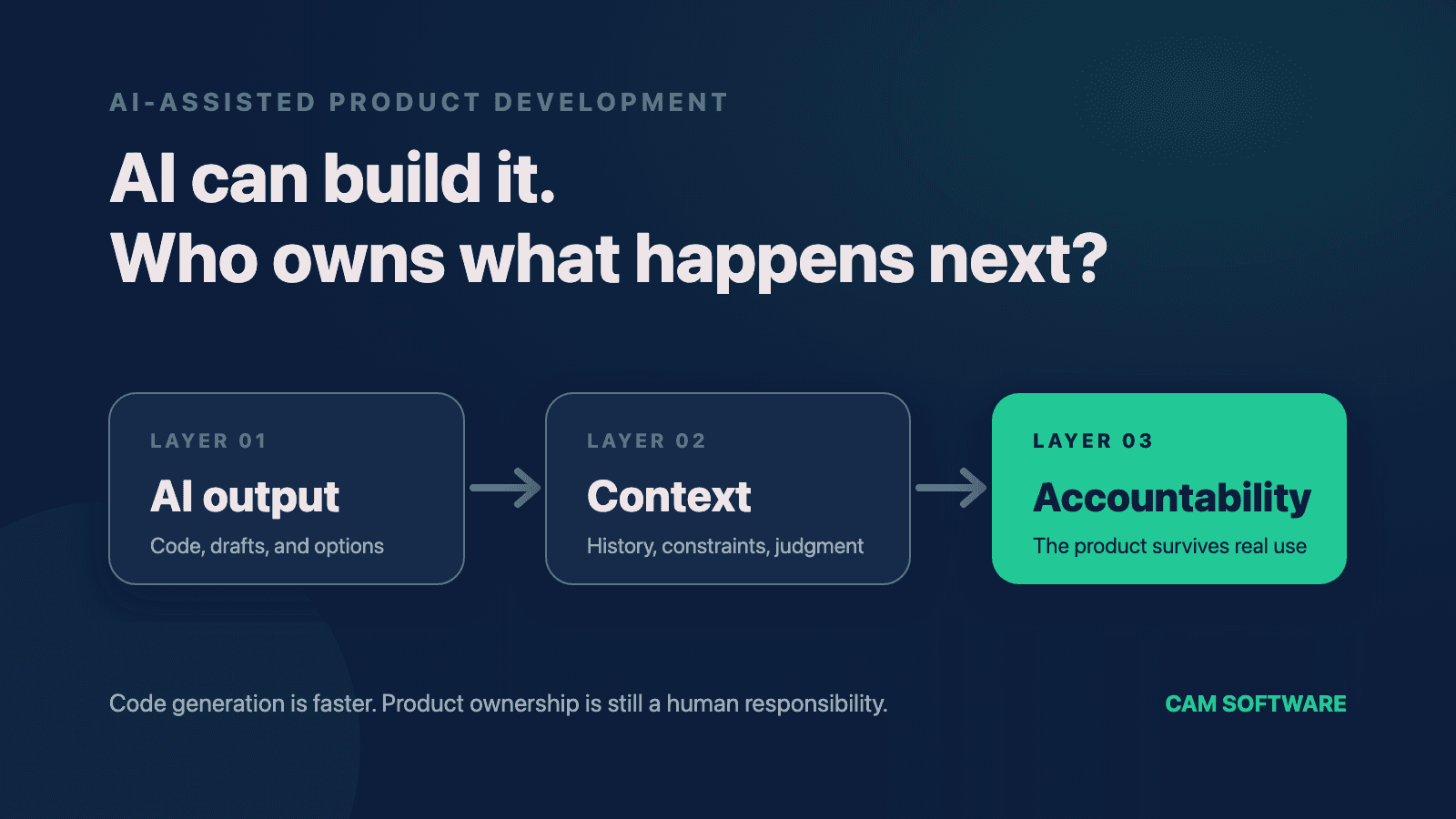
AI can help almost anyone build a prototype. A developer still matters when the product needs context, judgment, platform expertise, and someone accountable for what happens after the first version works.
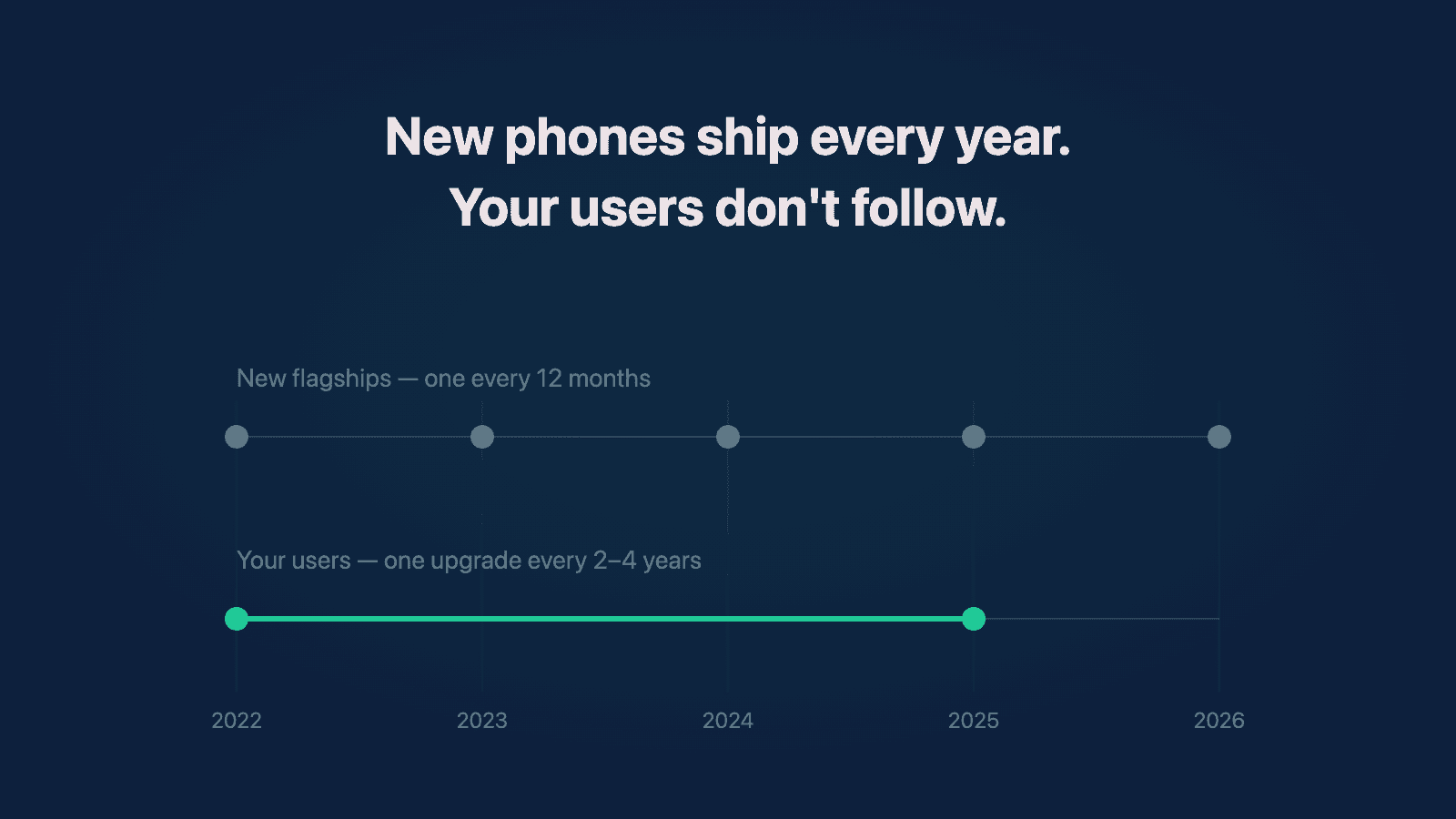
Google just announced the Pixel 11, and I buy a new phone almost every year. You probably shouldn't. Most people keep their phones for two to four years — what actually matters for your app is which operating systems it supports.
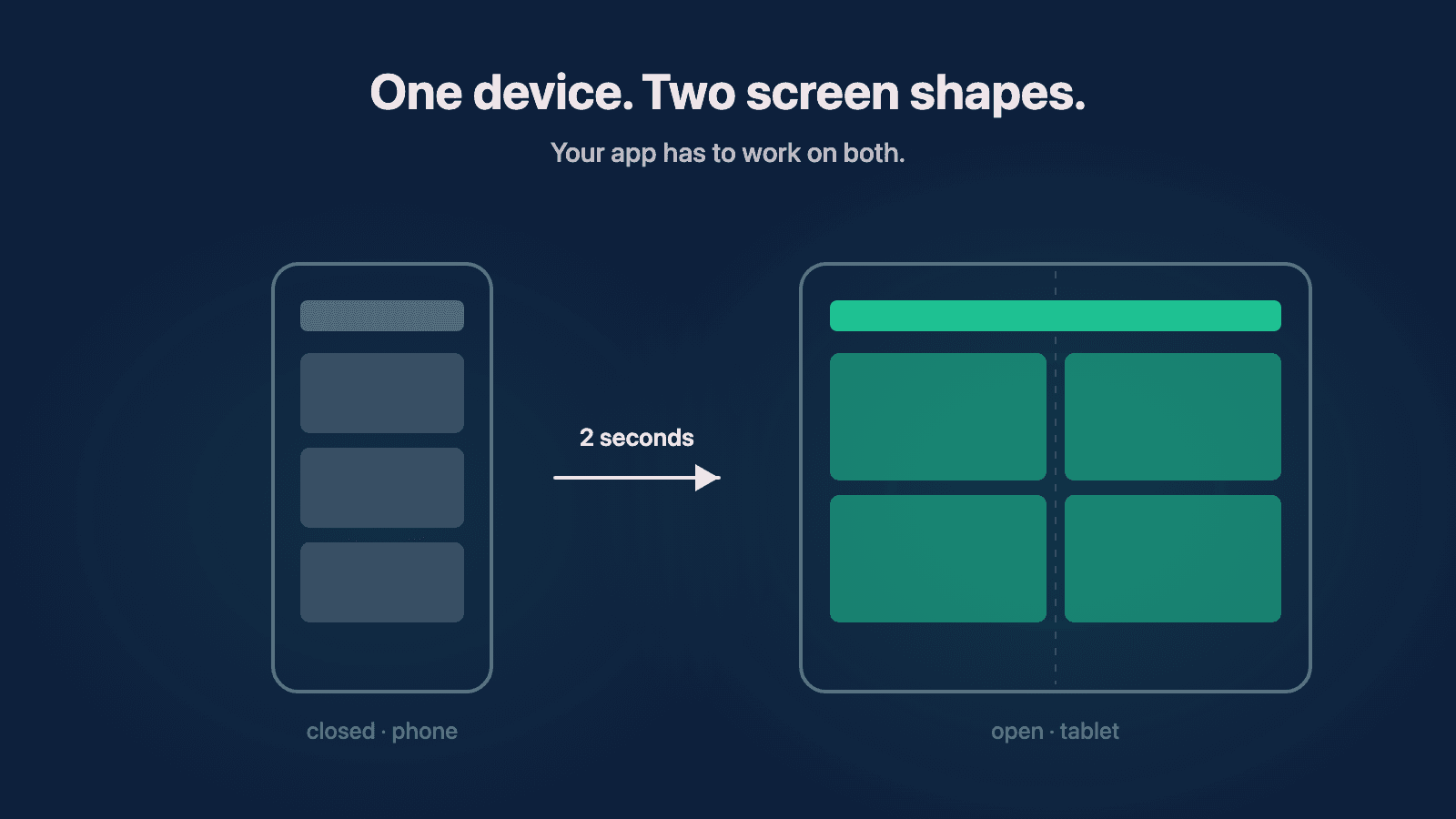
Samsung can't build the Galaxy Z Fold 8 fast enough, Apple's foldable is weeks away, and both platforms now require apps to adapt to any screen size. Here's what that means if you own an app.
You built an app with AI, it shipped, and now it breaks in ways nobody can explain. Here is how an AI-generated app actually gets rescued: map it, stabilize it, then decide whether to keep it or rebuild.
Most bugs are catchable at the pull request, if anything actually checks for them. Here is the agentic PR-review and QA setup I built so a multi-dev team stops merging the same kinds of mistakes.
An honest, technically grounded read on what HIPAA actually requires for a mobile app — and what it doesn't. Privacy Rule, Security Rule, BAAs, third-party SDKs, encryption, audit logs, and the mobile-specific gotchas most teams miss. Based on five years of healthcare engagements across ABA therapy, e-prescribing, and EHR.
A field guide to diagnosing common App Store rejection categories, resolving the actual cause, and improving the release system that allowed the issue through.
A comprehensive guide to the essential knowledge, hardware, and tools needed for mobile development in 2025, including both native and hybrid approaches.
A comprehensive comparison of Expo and React Native CLI, exploring their pros and cons, industry standards, and factors to consider when choosing between them for your next mobile project.
The journey of building On Cue Music Player, an innovative iOS app that solves song selection problems for mountain bikers and active users, using SwiftUI and Apple Music API.