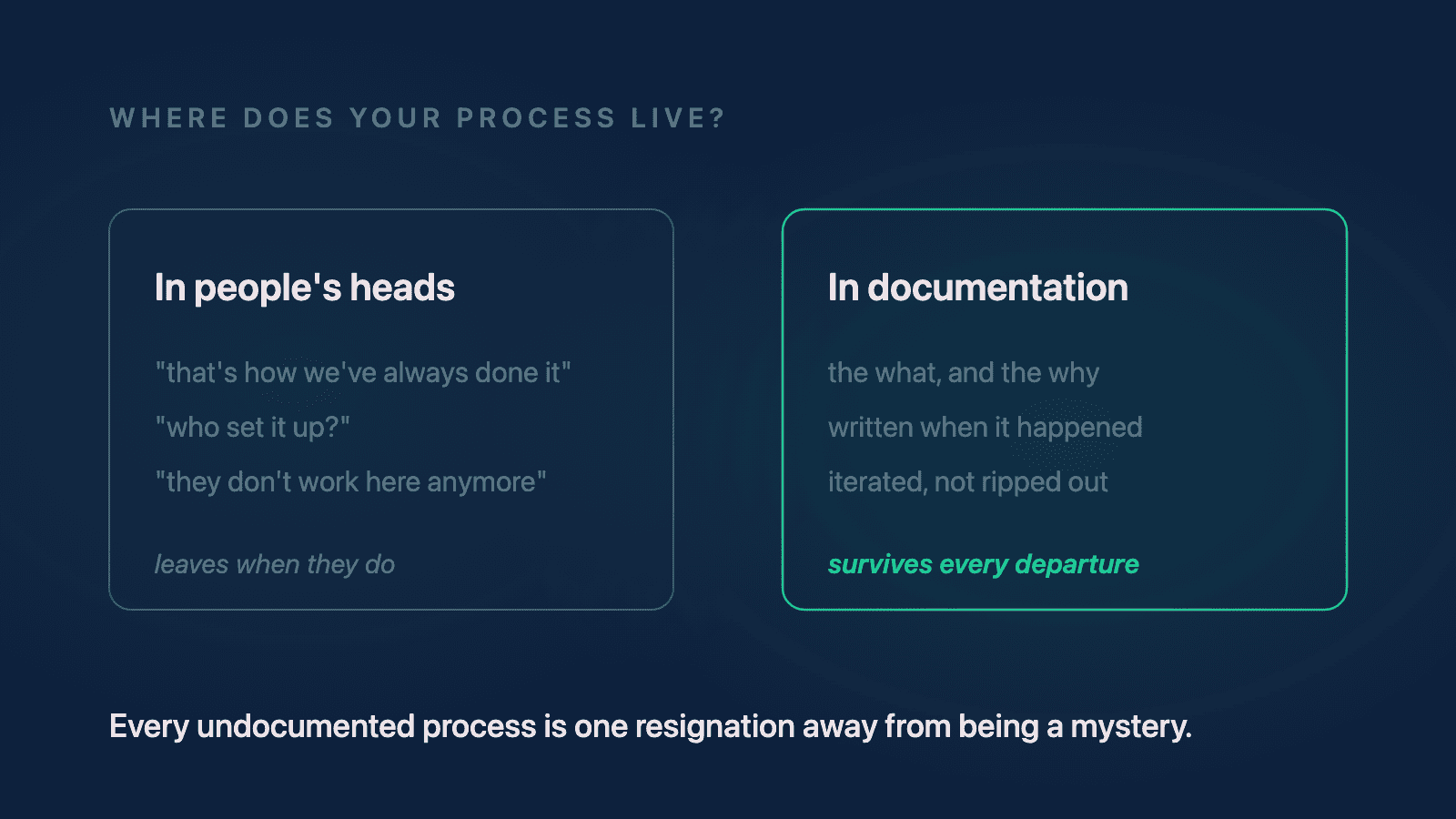
A team told to 'just move this along' with no structure, no documentation, and no process is a slow-motion problem most companies don't recognize until someone leaves. Here's what it costs and how to get ahead of it.
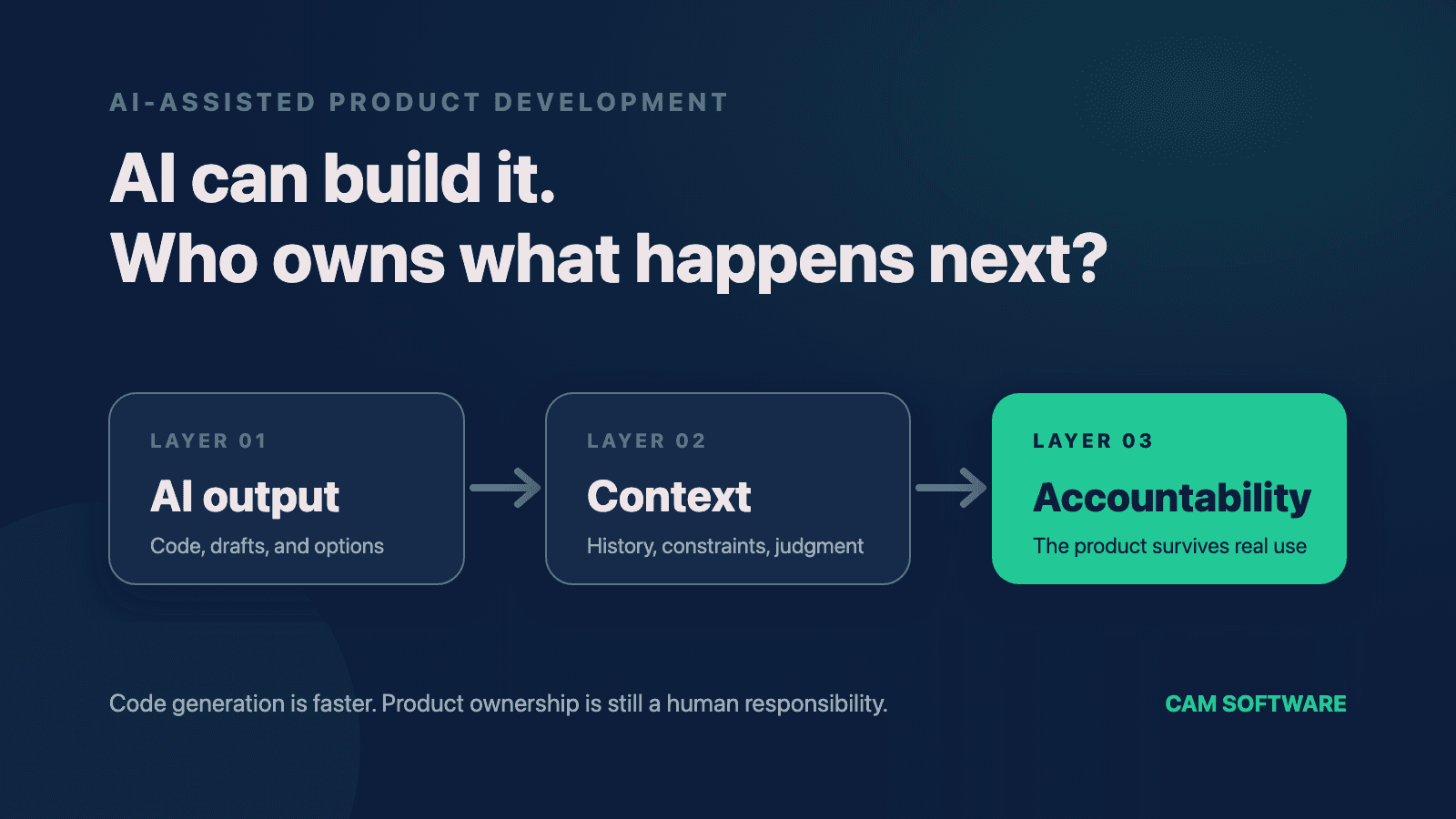
AI can help almost anyone build a prototype. A developer still matters when the product needs context, judgment, platform expertise, and someone accountable for what happens after the first version works.
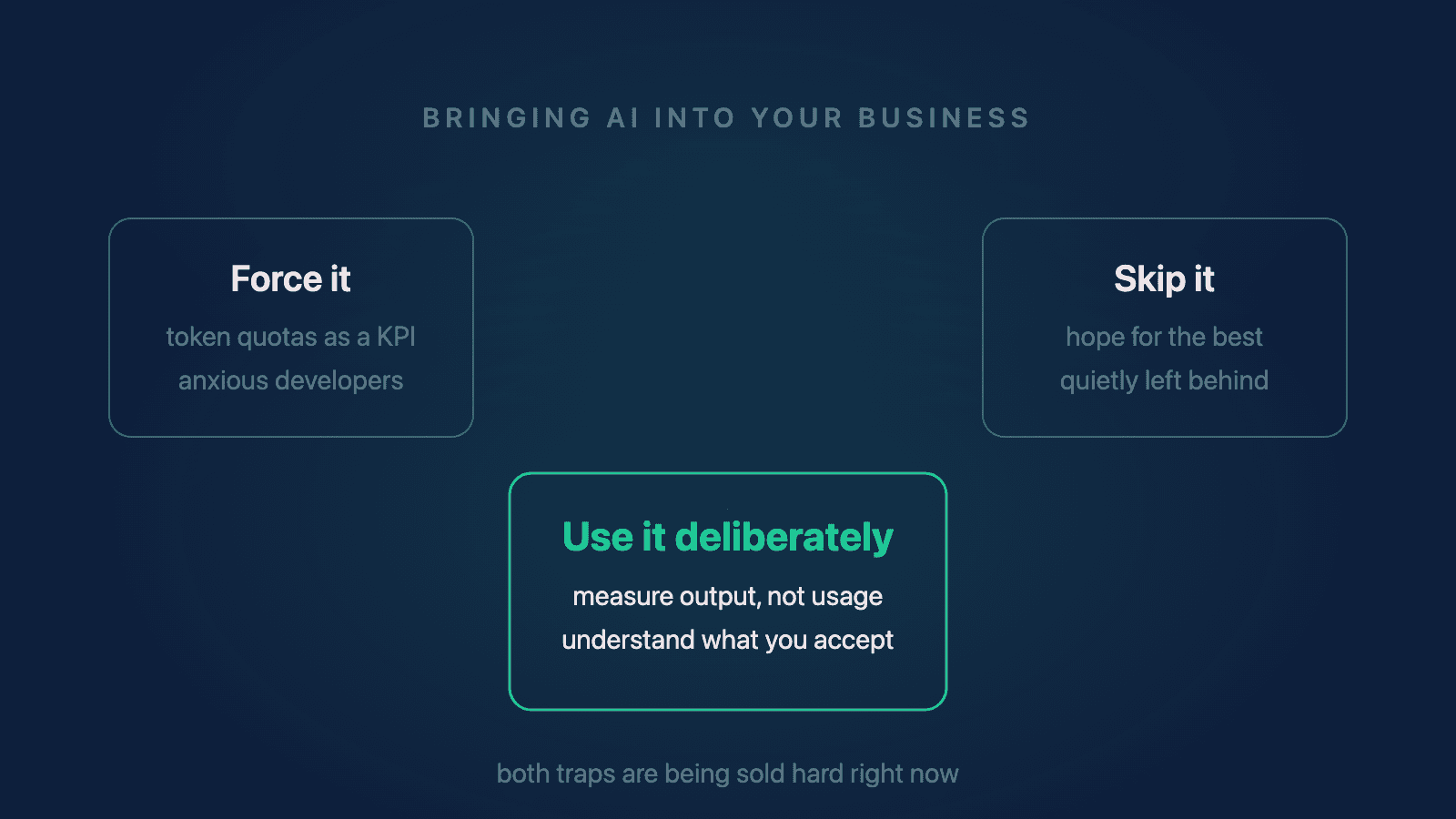
Every business is being impacted by AI whether it engages or not. The two failure modes I keep seeing are forcing it with usage quotas and letting it think for you. Here's what deliberate adoption actually looks like.
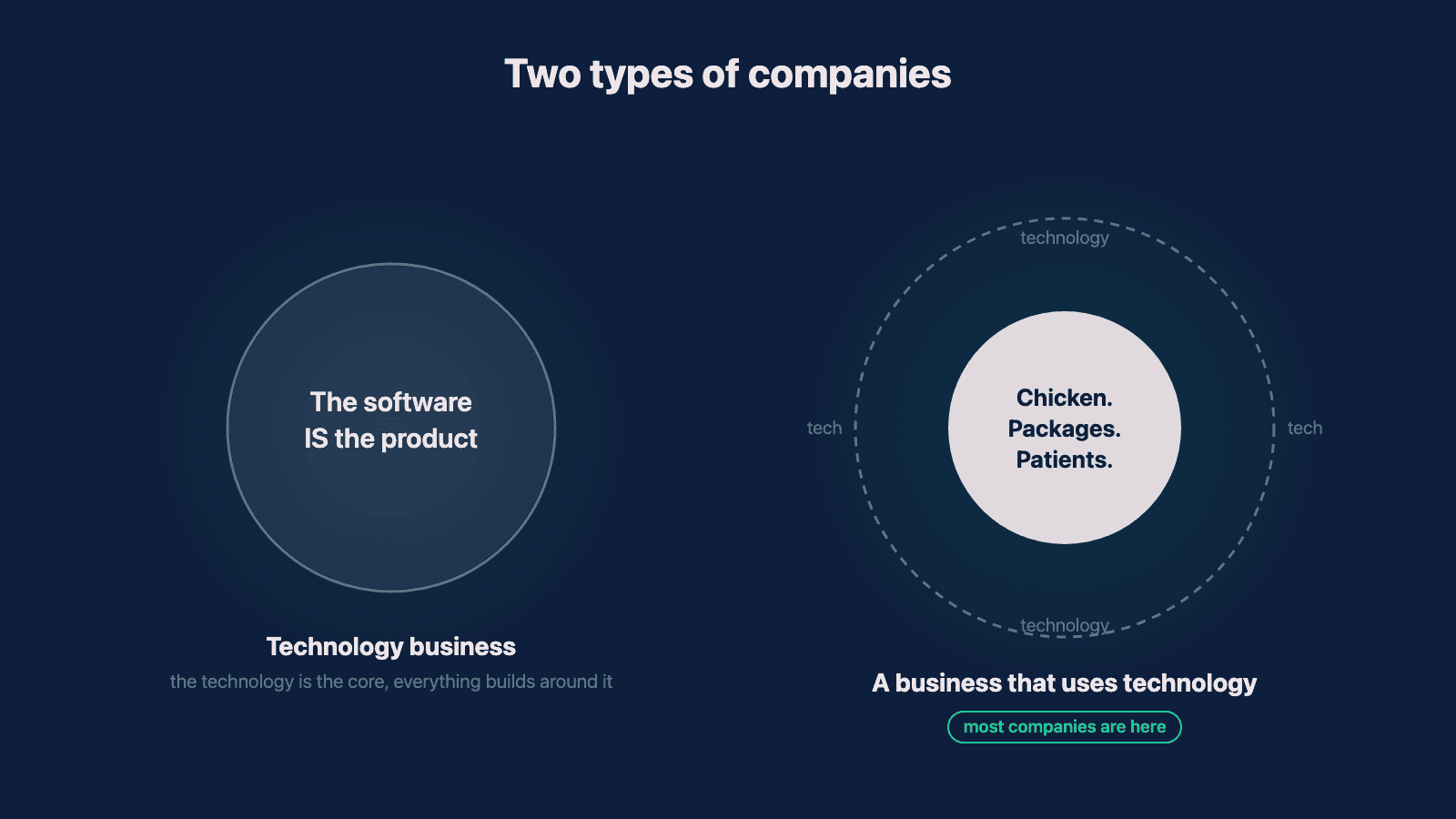
There are two types of companies: technology businesses, and businesses that use technology. Most companies are the second type, and that's fine. But right now the second type is adopting AI faster than it's building the structure to carry it.
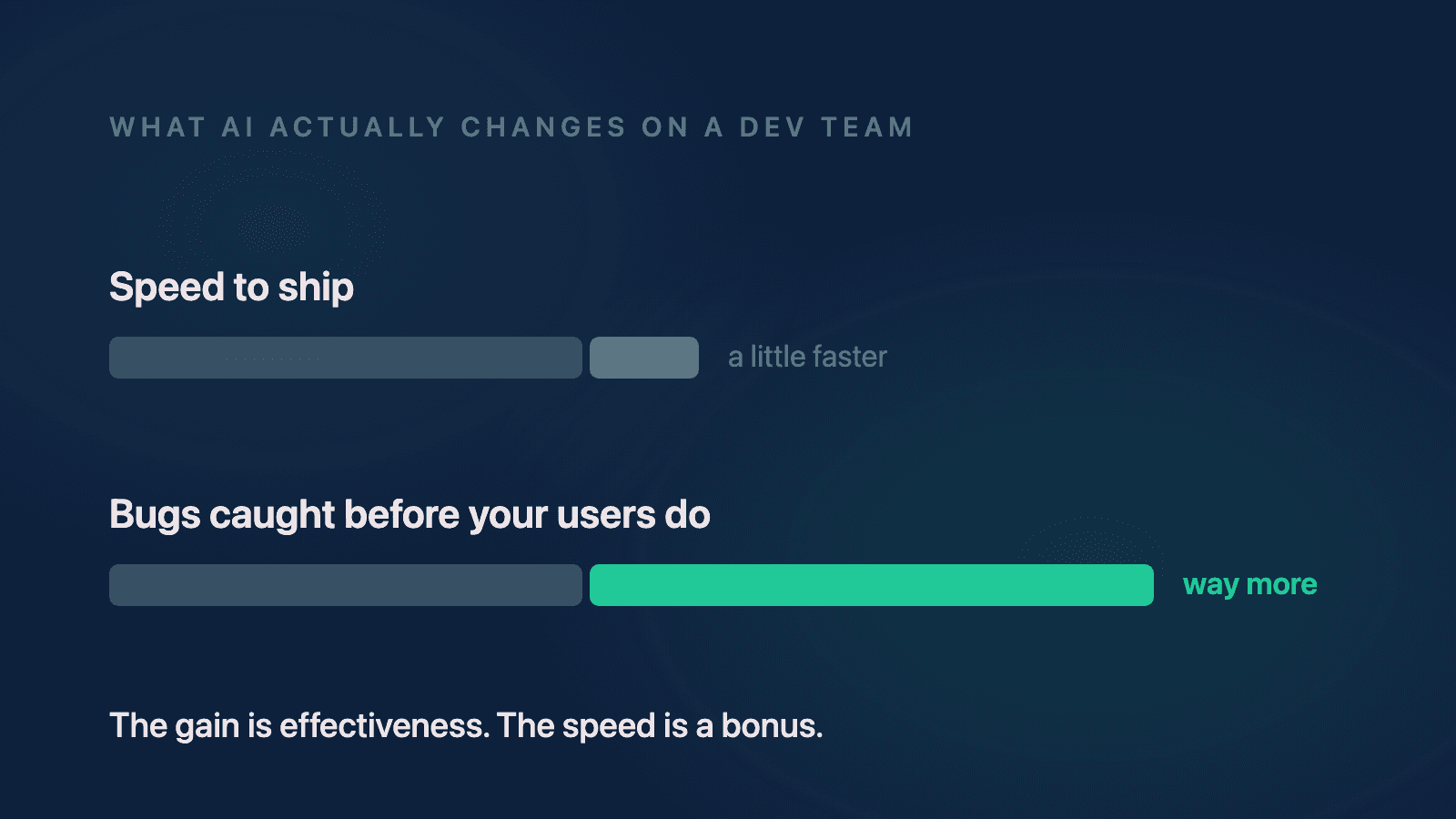
Everyone expects AI to make their dev team faster. On a real project it made the team better instead: more bugs caught, higher stability, roughly the same amount of human judgment. Here's what to actually expect.
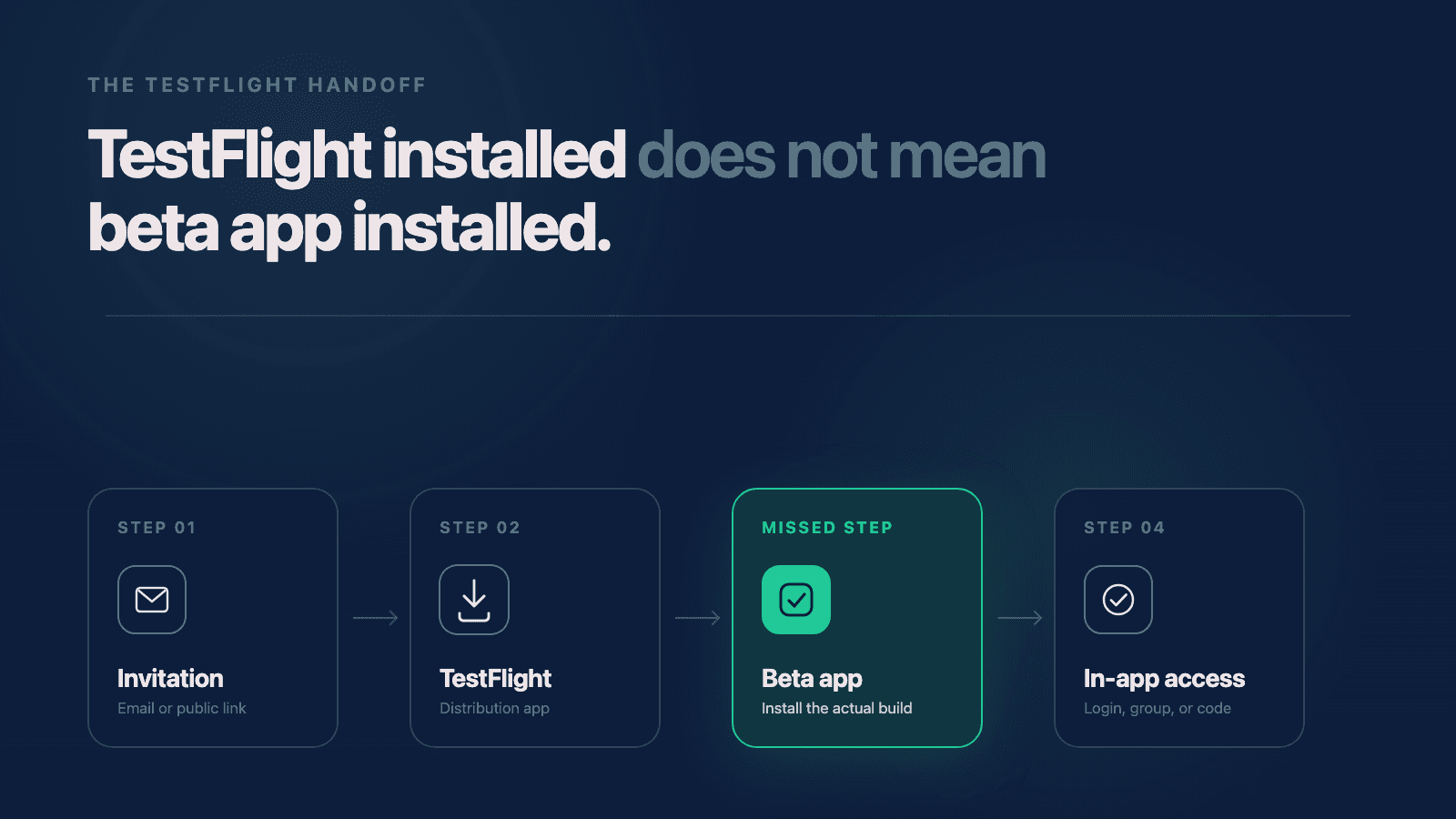
Installing TestFlight is only half the process. A recent beta-testing mix-up showed me why app teams need to verify what testers actually installed and treat beta onboarding as part of the user experience.
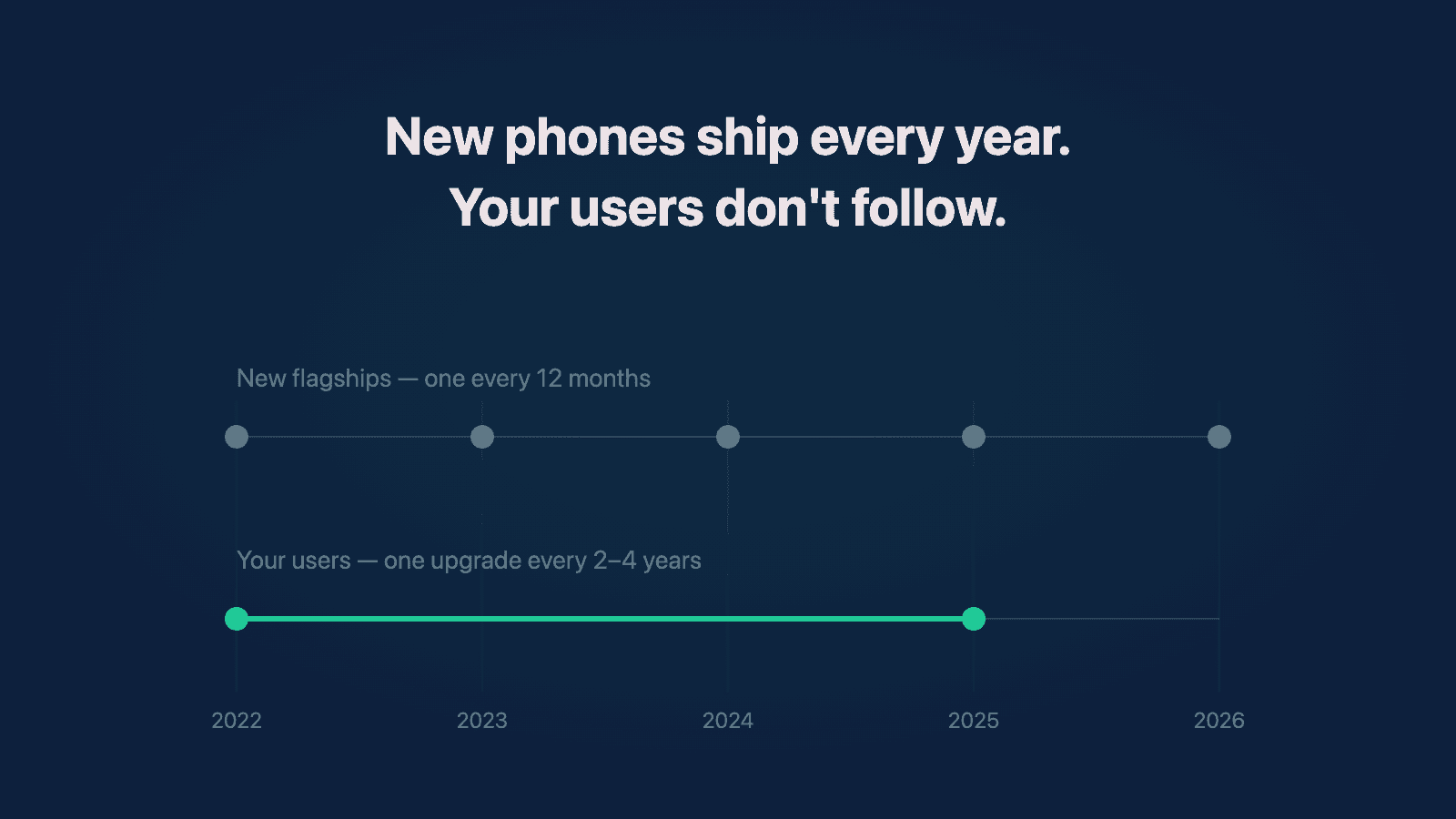
Google just announced the Pixel 11, and I buy a new phone almost every year. You probably shouldn't. Most people keep their phones for two to four years — what actually matters for your app is which operating systems it supports.
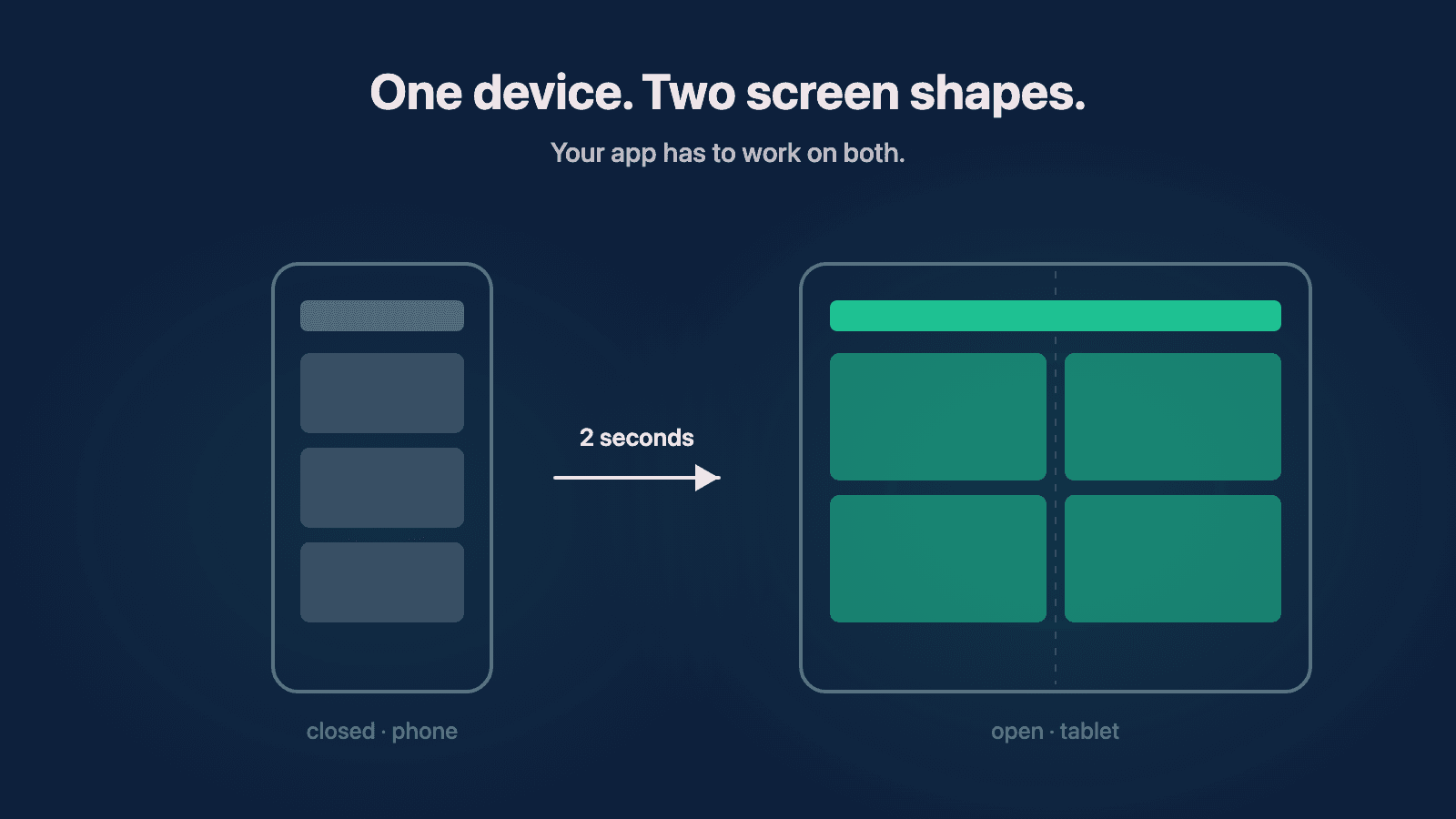
Samsung can't build the Galaxy Z Fold 8 fast enough, Apple's foldable is weeks away, and both platforms now require apps to adapt to any screen size. Here's what that means if you own an app.
You built an app with AI, it shipped, and now it breaks in ways nobody can explain. Here is how an AI-generated app actually gets rescued: map it, stabilize it, then decide whether to keep it or rebuild.